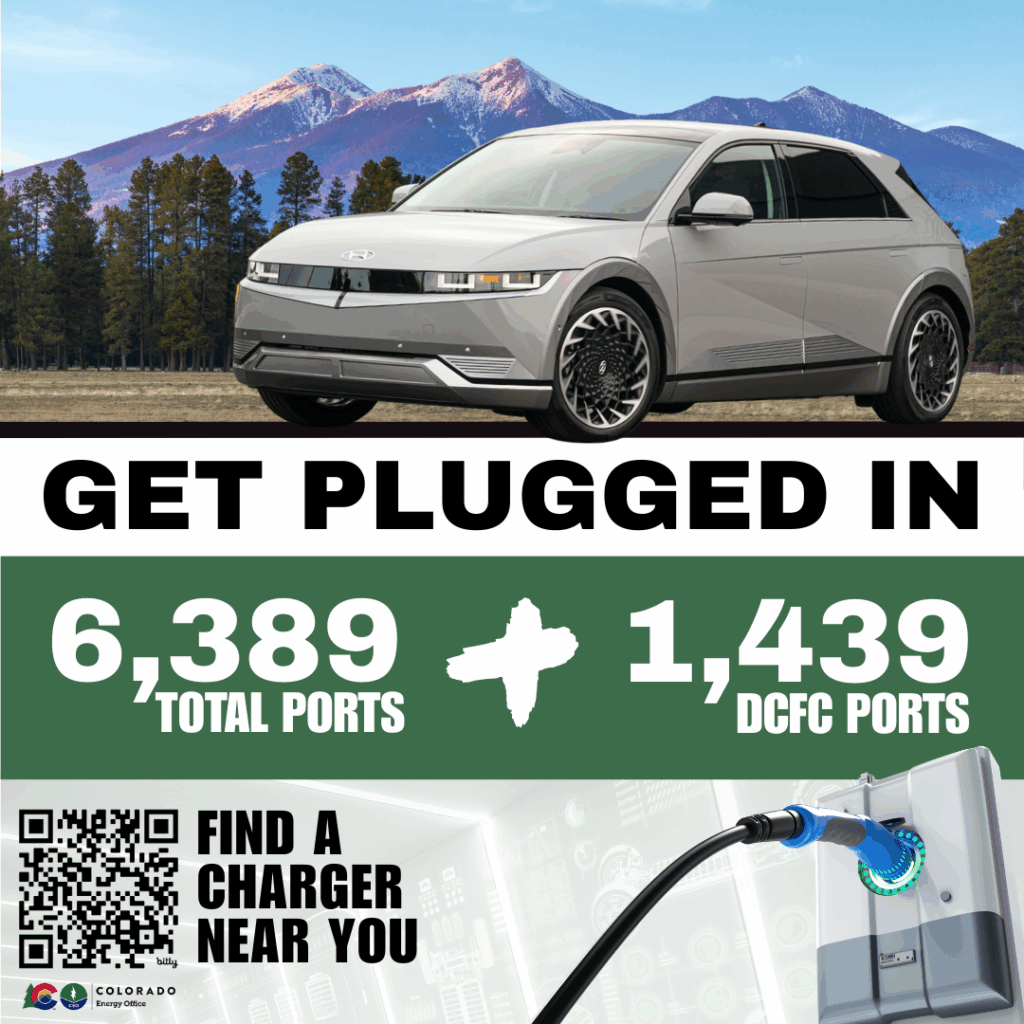


Years ago, the concept of an electric vehicles (EVs) would have seemed far-fetched and out of reach for everyday Americans. Today, battery-powered transportation is growing in popularity and accessibility, and the cars that once felt futuristic are well within reach.
With ongoing advances in design, efficiency and style, EVs are delivering features that appeal to drivers of all backgrounds – from commuters seeking efficiency to enthusiasts looking for performance. With more people considering making the switch, EVs are also showing promise in improving community health, reducing air pollution and reshaping local economies.
Instant Power and Performance
One of the first things new EV drivers notice is the difference in torque. Unlike traditional gasoline engines, which need to build up revolutions before reaching peak power, EV motors deliver maximum torque instantly. The result is brisk acceleration, smoother merging on highways and responsive handling in city traffic.
Manufacturers are leaning into this strength by offering multiple driving modes. Some vehicles allow drivers to toggle between eco settings that maximize battery range and sport modes that unleash full power. For those who want both efficiency and excitement, the ability to customize performance creates a driving experience tailored to mood and conditions.
One-Pedal Driving and Regenerative Braking
Another defining feature of EVs is regenerative braking. When drivers lift off the accelerator, the vehicle’s motor acts like a generator, slowing the car while converting kinetic energy back into stored electricity. This process reduces wear on brake pads and increases efficiency.

Many EVs expand on this with “one-pedal driving,” where easing off the accelerator provides enough deceleration for everyday traffic without needing to press the brake. It can feel strange at first, but the intuitive technology begins to feel normal after a few miles. For commuters in stop-and-go traffic, the system can make driving less tiring while stretching every kilowatt-hour of range.
Cleaner Air, Healthier Communities
Beyond performance, EV adoption carries broad public health implications. Gasoline and diesel vehicles are major contributors to smog and particulate pollution, which have been linked to asthma, heart disease and other chronic illnesses. By producing zero tailpipe emissions, EVs reduce harmful pollutants in neighborhoods, particularly along congested highways and in urban cores.
Communities of color and low-income residents often bear the greatest burden from poor air quality due to proximity to high-traffic corridors. Expanding EV access can help ease those disparities, contributing to cleaner air and healthier daily living.
Public health experts emphasize that cleaner air benefits every household, regardless of race. When emissions go down, hospital visits drop, medical costs fall and all communities breathe easier.
Savings Over Time
Although the sticker price of EVs can be higher than comparable gasoline models, ownership costs are often lower. Electricity is generally cheaper than gasoline per mile, and fewer moving parts mean reduced maintenance. Oil changes, spark plugs and exhaust systems are absent in EVs, while regenerative braking extends the lifespan of brake components.
With federal EV tax credits set to expire on Sept. 30, there is an urgency to buy soon. Right now, consumers can save up to $19,500 with tax credits, rebates, dealer discounts and the Vehicle Exchange Colorado (VXC) program.
The economic case for going electric is growing stronger. For households on tight budgets, predictable charging costs and lower maintenance can free up resources for other needs. Advocates note that these savings provide financial stability for families, allowing resources to be devoted to other needs.
Tech-Forward Features
EVs are often at the forefront of in-car technology. Over-the-air software updates can add new features long after purchase, extending the life of a vehicle. Drivers can manage charging, pre-condition the cabin and monitor range from smartphone apps.
Some models come with advanced driver-assistance systems, including adaptive cruise control, lane-keeping aids and automated parking. Combined with instant connectivity to charging networks and navigation systems that map out charging stops, these features position EVs as rolling tech hubs as much as cars.
Charging Convenience and Community Impact
Most EV owners charge at home overnight, often waking up with a “full tank.” But the growth of public charging stations also creates ripple effects. Installing chargers generates jobs, while charging hubs can draw customers to nearby small businesses. Fast-charging stations along highways make long-distance travel practical and boost regional tourism.
Some automakers are introducing bidirectional charging, allowing cars to serve as backup power for homes or even provide energy to the grid. In disaster-prone areas, this feature could support community resilience.
Broader Benefits for All
EV adoption is spurring growth in clean-energy jobs, from manufacturing to charging infrastructure. Those opportunities are reaching communities across the country, offering career paths in an expanding sector.
Noise reduction is another benefit of driving electric. Electric motors operate quietly, reducing traffic noise that can affect sleep and stress levels in dense urban areas. Quieter streets improve livability in neighborhoods everywhere.

Supporters argue that the broad range of benefits shows why EV adoption should not be seen solely as an environmental choice, but also as a tool for advancing public health and economic equity. Cleaner air, lower household costs and new career opportunities are outcomes that cut across social and cultural lines.
A Shift in Driving Culture
Perhaps the biggest adjustment for new EV drivers is a shift in mindset. Range planning replaces gas station stops, and regenerative braking changes how drivers interact with the road. Yet for many, these differences quickly become benefits. Enthusiasts celebrate the immediate power and quiet confidence of electric propulsion, while families appreciate the convenience, savings and healthier air.
As automakers expand EV offerings across sedans, SUVs, trucks and performance models, the reasons to consider going electric are multiplying. From torque that thrills to tech that simplifies, EVs are shaping cleaner, healthier communities along the way.
Editor’s note: To learn more about Colorado’s EV incentives, visit evco.colorado.gov or energyoffice.colorado.gov.