
The “Plugged In” series has followed the stories of Coloradans navigating the shift to electric vehicles. From first-time buyers to longtime advocates, one theme has echoed through each story: switching to an EV is about far more than just convenience. Making the decision to drive an electric vehicle has tremendous impacts on community health, financial savings and the chance to create more equitable conditions throughout Colorado.
Community Voices Driving Change
“I never thought I’d be able to afford a brand-new vehicle, let alone an electric one,” says Denver resident Maria Trujillo, who recently took advantage of the Vehicle Exchange Colorado (VXC) program.
“The rebate brought the price within reach, and now I’m saving money every month on gas. It’s been life-changing.”
For Lopez, the decision was directly related to her family’s health. “I have grandkids with asthma, and I know every tailpipe we take off the road makes the air a little cleaner for them,” she beams.
Aurora small business owner James Mitchell agreed. “I was skeptical at first, but once I drove one, I was sold. The fast acceleration and the smooth ride – it’s fun to drive and I’m proud to show my customers that clean energy is within reach.”
These and other perspectives are rippling across Colorado’s urban areas and rural communities. When residents realize that they can save on fuel costs while helping their neighbors breath easier in areas historically burdened by pollution, they wish they’d pursued an EV sooner.
Now, part of a broad movement toward sustainability, drivers are sharing diverse stories and reasons for making the switch.
The Colorado Energy Office’s Role
Behind individual choices to drive electric is a network of state support that makes purchasing an EV more accessible.
The Colorado Energy Office (CEO) has worked to level the playing field by offering substantial tax incentives and rebates, ensuring that low and moderate-income households can participate in the statewide transition.
“Clean energy should not be a luxury,” says CEO Executive Director Will Toor. “Our programs are designed to reduce barriers, improve air quality and create healthier communities, especially in places that have historically been impacted the most.”
Through programs like VXC and a range of tax credits, residents can save thousands of dollars when purchasing a new or used EV. Despite federal EV tax credits expiring on Sept. 30, state incentives and special dealership offers continue the savings for interested buyers.
These financial tools reduce upfront costs and help lower long-term expenses, with fewer trips to the pump and reduced maintenance compared to gas-powered vehicles.
Health and Economic Impacts
Colorado’s EV programs as much about people as they are about the cars they drive.
Studies show that transportation pollution disproportionately affects communities of color and low-income neighborhoods. By helping residents trade in older, higher-emission vehicles for clean EVs, the state is directly addressing public health disparities.

“Cleaner air is public health,” says community advocate Denise Phillips. “When you reduce asthma rates and heart disease by cutting pollution, you save families on medical costs and improve quality of life. When we see high rates of cancer and disease, we have to understand that our daily habits could be contributing to them.”
She continues, “If we know better, we can start to do better. Changing our habits should produce better outcomes, just like eating healthier.”
More EV adoption means greater demand for charging infrastructure, leading to increased jobs in construction, technology and clean energy. Local dealerships and mechanics are expanding their services, while utilities are investing in modernized grids to meet demand.
This ecosystem creates opportunities that stretch far beyond the driver’s seat.
Picking Up Steam
Transitioning more drivers to EV will require continued investment and public participation. Charging access, rural adoption and education about EV benefits remain are preliminary hurdles that advocates must overcome in order to widen the perspectives of traditional fuel drivers.
The “Plugged In” series has revealed that when information, incentives and inspiration come together, Colorado residents feel more prepared to make the leap.

“People want to do the right thing,” Mitchell says. “Sometimes they just need to know it’s possible.”
With state leadership and community buy-in, Colorado is positioned to be a national model for equitable clean transportation.
Saving Dollars Makes Sense
Colorado’s EV future highlights the environmental benefits of new technology, in addition to social justice, opportunity and shared well-being.
As families find new ways to save money amid a questionable economic landscape, children have a chance to breathe cleaner air and neighborhoods are beginning to experience the benefits of a cleaner economy.
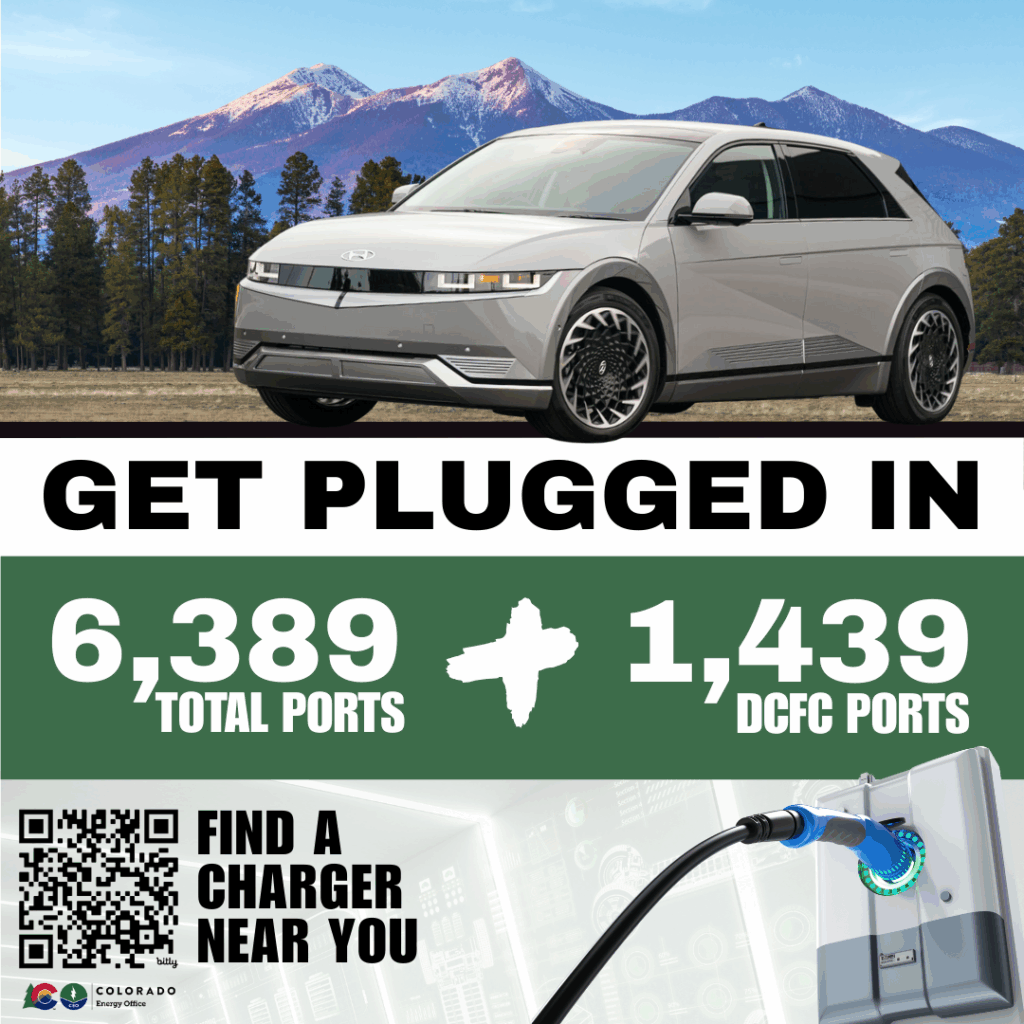
For drivers considering making the switch to EV, resources for purchasing, leasing and charging are readily available through state agencies and utility providers.
Visit evco.colorado.gov to learn more about rebates, tax credits and vehicle options. For a broader look at the state’s energy initiatives and programs, visit energyoffice.colorado.gov.
Each story told in this series proves that the path to an electric future is accessible for people from all walks of life. Now is the time to take action for long-term savings and benefits that future generations will enjoy.