


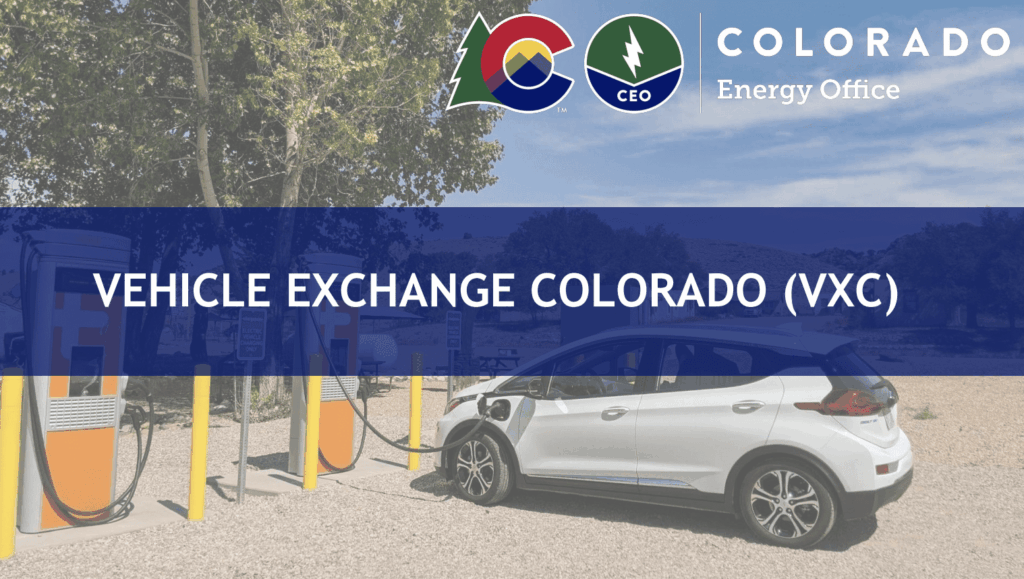
Colorado has big goals when it comes to electric vehicles, with aspirations to get 1 million electric vehicles (EVs) on the road by 2030. In an effort to replace gas-guzzlers with environmentally-friendly cars, trucks and SUVs, the Vehicle Exchange Colorado (VXC) program, launched by the Colorado Energy Office and Department of Revenue, combines generous trade-in rebates with state and federal tax credits. Drivers can take advantage of unprecedented savings when they replace older, high-polluting cars with new or used EVs.
With incentives that can add up to $19,500 in some cases, the program is being hailed as one of the most aggressive affordability strategies in the nation. State leaders say the effort will not only help households save money but also bring Colorado closer to its climate goals of reducing carbon emissions.
What the Program Offers
The VXC program provides immediate rebates when eligible Coloradans trade in older vehicles at participating dealerships.
- A $6,000 rebate is available toward the purchase or lease of a new battery electric vehicle (BEV) or plug-in hybrid (PHEV) with a manufacturer’s suggested retail price (MSRP) of $80,000 or less.
- A $4,000 rebate is available for a used BEV or PHEV priced at $50,000 or less.
The rebates are applied at the point of sale, meaning drivers see the discount right away instead of waiting until tax season. Only one rebate is allowed per household, and the program is targeted toward income-qualified residents.
“These rebates are designed to make clean transportation accessible to families who otherwise might not be able to afford it,” Colorado Energy Office officials said when the program launched.
Who Qualifies
Eligibility for VXC is based on income and vehicle ownership:
- Applicants must be at or below 80% of the Area Median Income (AMI) in their county or be enrolled in qualifying programs such as Medicaid, Supplemental Nutrition Assistance Program (SNAP) or Supplemental Security Income (SSI).
- Applicants must be Colorado residents age 18 or older with a valid driver’s license.
- The vehicle being traded in must be operational, currently registered in Colorado, and typically more than 12 years old or failing emissions standards.
By focusing on households with the greatest need, the program aims to replace some of the most polluting vehicles on the road while delivering financial relief to families who often spend a disproportionate share of income on transportation and fuel.
Stacking Rebates and Tax Credits
The real power of the program lies in how it stacks with state and federal incentives.
- Federal Clean Vehicle Credit: Buyers of new qualifying EVs may be eligible for up to $7,500. Used EVs may qualify for up to $4,000. These credits depend on household income, vehicle assembly requirements and MSRP caps.
- Colorado State Tax Credit: Buyers can claim $3,500 for new EVs priced under $80,000. An additional $2,500 is available if the vehicle costs less than $35,000, bringing the total state credit to $6,000.
A family purchasing a qualifying new EV under $35,000 could combine:
- $6,000 VXC rebate
- $7,500 federal tax credit
- $6,000 state tax credit
That’s up to $19,500 in total savings, making EVs cheaper than many comparable gas-powered vehicles. Even with used EVs, savings can top $8,000 to $10,000 when rebates and credits are applied.
Why Timing Matters
The federal Clean Vehicle Credit includes deadlines. While prior guidance from the IRS mandated that vehicles be delivered by the end of September, recent changes allow buyers to sign purchase contracts by Sept. 30, 2025, to qualify for the full credit in most cases.
This creates a sense of urgency: Colorado drivers who qualify for VXC can maximize their savings by acting before the federal deadline. Dealers participating in the program have already promoted bundled offers to highlight the potential discounts in a way that helps buyers beat the clock.
Environmental and Economic Impact
Transportation is one of the largest sources of greenhouse gas emissions in Colorado. Older gas and diesel vehicles, particularly those lacking modern emissions controls, contribute disproportionately to smog and poor air quality.
By encouraging households to replace those vehicles with EVs, the state expects to cut emissions while delivering other benefits:
- Cleaner air in neighborhoods near highways and industrial corridors, where low-income families often live.
- Lower fuel costs since charging an EV is typically cheaper than buying gasoline.
- Reduced maintenance expenses because EVs have fewer moving parts and don’t require oil changes.
Advocates also note that the program supports equity. “This program ensures that families, who would otherwise be left behind in the clean energy transition, have a fair chance to participate,” says Shelly Frasier, a nonprofit leader who works with communities of color in Denver.
Stories on the Ground
Jacob Bennet, a sales manager at a popular car dealership in Aurora, says customers are surprised by how much they can save. “We’ve had people walk in expecting to pay $40,000 for a new EV and walk out paying closer to $25,000 once all the incentives are applied,” he shares.
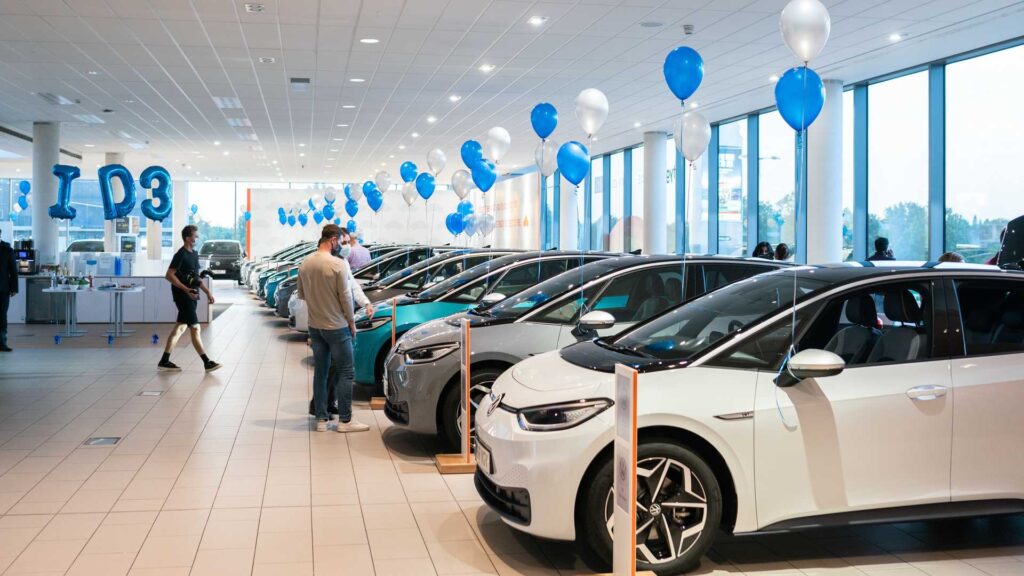
Early participants have echoed the sentiment. Maria Lopez, a Denver resident who traded in her 2008 minivan, said the rebates made the difference. “I never thought I could afford an electric car,” she says. “Now my family has a reliable vehicle, and I don’t worry as much about gas prices.”
The Road Ahead
Colorado’s goal of nearly 1 million EVs on the road by 2030 will require sustained effort. The VXC program is expected to play a central role, especially if lawmakers continue funding rebates and maintaining state tax credits.
Officials are also working to expand the charging network. As of this year, Colorado has more than 6,300 public charging ports, including over 1,400 direct current fast chargers, with more planned through federal and state infrastructure programs.
For drivers holding on to older, high-emission vehicles, there may never be a better time to make the switch. Between the VXC rebate, the Colorado state credit, and the federal Clean Vehicle Credit, savings are at historic levels.
With deadlines looming and inventories improving, taking advantage of the opportunity trade in the gas-guzzler and plug in an EV could save thousands while contributing to a cleaner, healthier Colorado.