

This article is part of the Plugged In series and was produced with support from the Colorado Energy Office.
For generations, families in Colorado’s most underserved neighborhoods have lived with the highest costs of transportation and the harshest impacts of air pollution. Aging gas vehicles drain budgets with fuel and repairs, while tailpipe emissions exacerbate asthma and heart disease.
Today, a wave of policy and incentive programs is attempting to change that reality, but with recent legislation resulting in changing timelines, the window of opportunity will soon close on the biggest cost savings.
The federal electric vehicle tax credit, worth up to $7,500, is set to expire on September 30, 2025. Advocates and state officials say the coming weeks represent a critical moment for Colorado households to take advantage of one of the strongest financial tools available to ease the transition to clean transportation.
Federal Credits Offer a Rare Boost
Federal tax credits have boosted nationwide efforts to make electric vehicles more affordable. Despite amendments and adjustments to the implementation of EV programs, consumers have benefited from cost savings for almost 20 years, starting back in 2008.
Today, buyers of new qualifying EVs may receive up to $7,500 in credits, depending on assembly and battery sourcing requirements. For the first time, used EVs also qualify, with a credit of up to $4,000 for vehicles priced at $25,000 or less.
Eligibility rules place income caps on the program: $150,000 for single filers, $225,000 for heads of household, and $300,000 for joint filers. That means the program is designed to reach middle- and working-class families – the households who stand to benefit most from reduced transportation costs.
The passage of the One Big Beautiful Bill Act in July 2025 changes all of that. On Sept. 30, the federal incentives will disappear.
“It’s a critical equity issue,” says Jeremy Barnum, a local energy advocate.
“If the credit expires, many families will lose access to the financial bridge that makes EV ownership possible.”
Colorado Steps In With State-Level Incentives
As the federal program winds down, Colorado is pressing ahead with its own measures. The state currently provides up to $6,000 in tax credits for the purchase of a new electric vehicle, making it one of the most generous state programs in the nation.

Combined with the federal program, the savings can be substantial. For households who act before September 30, purchasing a new EV could mean as much as $13,500 in combined credits — enough to bring many entry-level electric models into reach.
Utilities across the state are also offering rebates and off-peak charging discounts, trimming monthly energy costs for EV owners and reinforcing the affordability case.
Vehicle Exchange Colorado: Reducing Barriers
Beyond tax credits, the state’s Vehicle Exchange Colorado (VXC) program represents a direct investment in equity.
The program allows income-qualified Coloradans to trade in older, high-emission cars for new or used electric vehicles or plug-in hybrids. Rebates up to $6,000 are applied at the point of sale, lowering upfront costs without requiring families to wait for tax season.
For families facing tough choices between paying for gas, maintaining an unreliable car or upgrading to a cleaner option, VXC provides a lifeline. Older vehicles are removed from the road, while households gain access to safer, more efficient transportation.
“It’s not just an environmental program, it’s a community health program,” says a Colorado Energy Office spokesperson. “We want to make sure families who have borne the highest costs of pollution can also be the first to benefit from clean-air solutions.”
Affordability Beyond the Sticker Price
Critics of electric vehicles often point to purchase prices, but advocates say the long-term economics favor EVs.
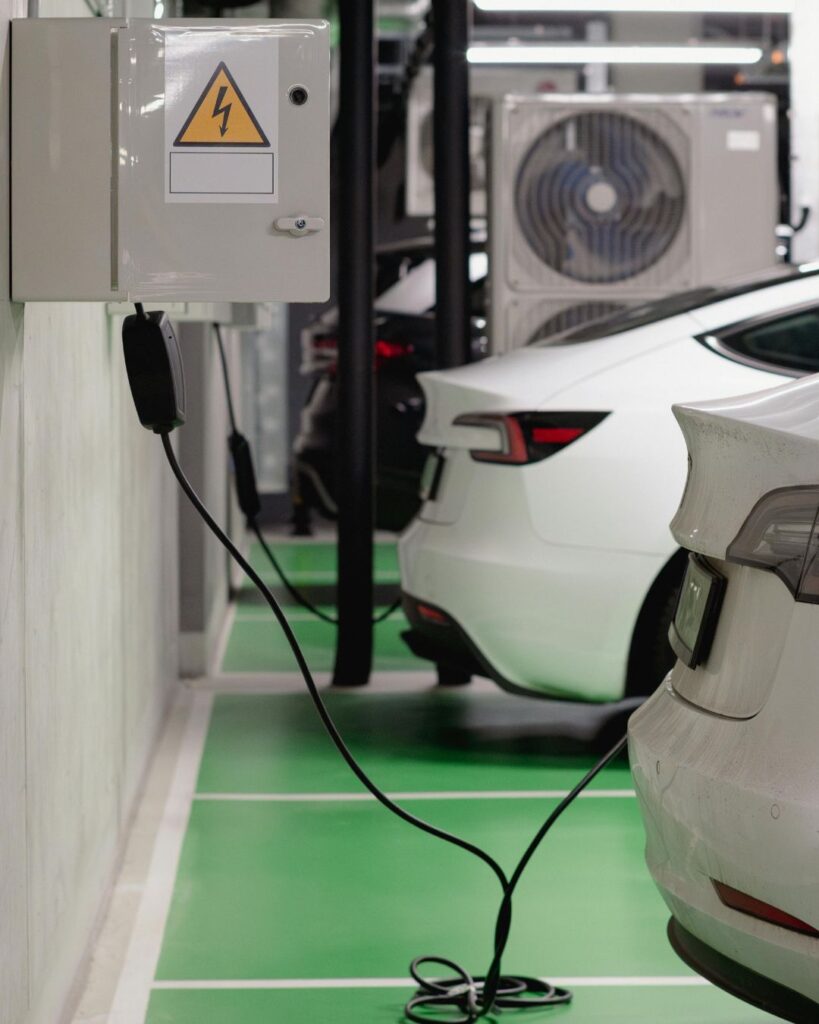
Charging an EV typically costs less than half the price of gasoline, and maintenance expenses are significantly reduced. With no oil changes, fewer brake replacements and fewer moving parts overall, EV owners can save thousands over the lifetime of the vehicle.
For lower-income families, these savings have a direct impact on household stability. Reduced transportation costs mean more room in the budget for rent, groceries and other essentials. In neighborhoods where the cost of living continues to rise, the shift to electric vehicles is being framed as both a climate strategy and an anti-poverty measure.
Cleaner Air, Stronger Communities
The benefits of EV extend beyond economics. Communities near major highways and industrial corridors – often communities of color and low-income neighborhoods – experience the highest levels of vehicle-related pollution. Studies link this exposure to higher rates of asthma and cardiovascular disease.
By replacing older vehicles with zero-emission models, Colorado programs are delivering cleaner air directly where it is needed most. The public health implications are significant, particularly for children, seniors and others vulnerable to respiratory illness.
The Colorado Energy Office: A Hub for Resources
For residents navigating the range of incentives and programs, the Colorado Energy Office has emerged as a key resource. The agency manages the VXC program and provides detailed guidance on how to apply for tax credits, stack rebates and take advantage of utility programs.
From webinars to online calculators, the Colorado Energy Office is helping residents understand how to purchase an EV and integrate it in their daily lives affordably. Its outreach efforts are particularly focused on communities that have historically faced barriers to accessing new technology.

“People often don’t realize how many options are available to lower the cost of an EV,” the spokesperson says. “Our role is to connect families with every resource they’re eligible for.”
A Narrow Window
With the federal tax credit scheduled to end this fall, the sense of urgency is being felt throughout the energy and transportation sectors.
Advocates are encouraging Coloradans to act quickly to stack the maximum savings from federal, state and local programs.
“This is a once-in-a-generation opportunity,” says Shondra Watts, a community leader involved in EV outreach. “We have the chance to make electric vehicles affordable for everyone, not just the wealthy. But the clock is ticking.”
Driving Toward Equity
The Plugged In series, “Powering Communities Through EV Access,” highlights how the clean-energy transition intersects with issues of equity, affordability and public health. The story of electric vehicles in Colorado is not just about new technology. It’s about who gets to breathe cleaner air, who can afford reliable transportation and who benefits from the shift to a low-carbon future.
As policymakers debate the future of incentives, the decision for families is clear. The path to affordable, reliable and clean transportation is open now, and the Colorado Energy Office is helping to ensure that access extends to every community.
Editor’s note: To learn more about available tax incentives, visit the Colorado Energy Office at www.energyoffice.colorado.gov or Drive Electric Colorado at www.driveelectriccolorado.org.